Environ 150 résultats pour « Béarn »
-

Béarn
Le Béarn (en béarnais Bearn ou Biarn), situé au pied des Pyrénées, est un ancien État souverain puis une ancienne province française. Il forme avec la Basse-Navarre, le Labourd et la Soule le département des Pyrénées-Atlantiques (64), dont il occupe les 3/5 du territoire. Il est traversé en diagonale par les gaves de Pau et d'Oloron, dont les vallées longtemps parallèles constituent la partie la plus vivante du pays. Le Béarn compte habitants, sa capitale est Pau.
-
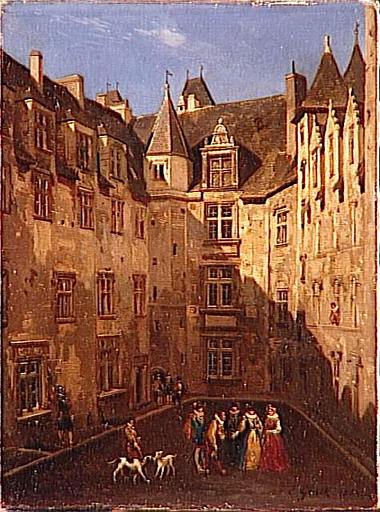
Vue de la cour du château de Pau (avec des personnages d'ép…
-
- Domaine(s) :
- Architecture
- Peinture
-
- Sujet représenté :
- Béarn
- Chien
- Château
- Cour (architecture)
- Pau
- Renaissance
-
- Datation :
- XIXe siècle
-
-
-
- Artiste(s) :
- Armand-Gustave Houbigant
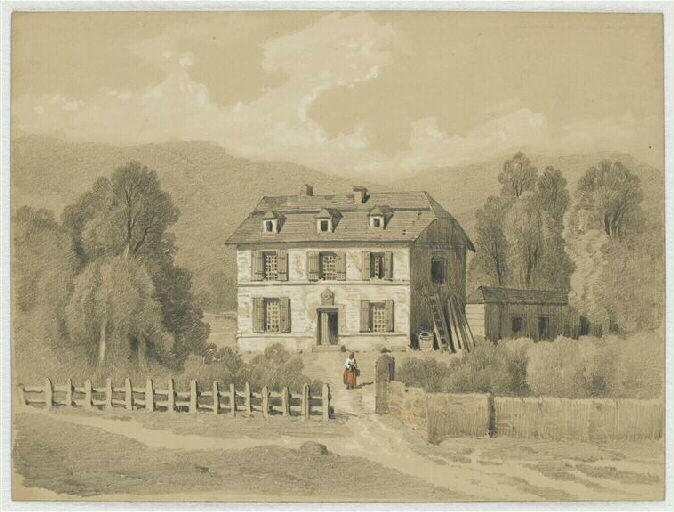
Maison Lassensaa à Bilhères
-
-
-
- Artiste(s) :
- Armand-Gustave Houbigant
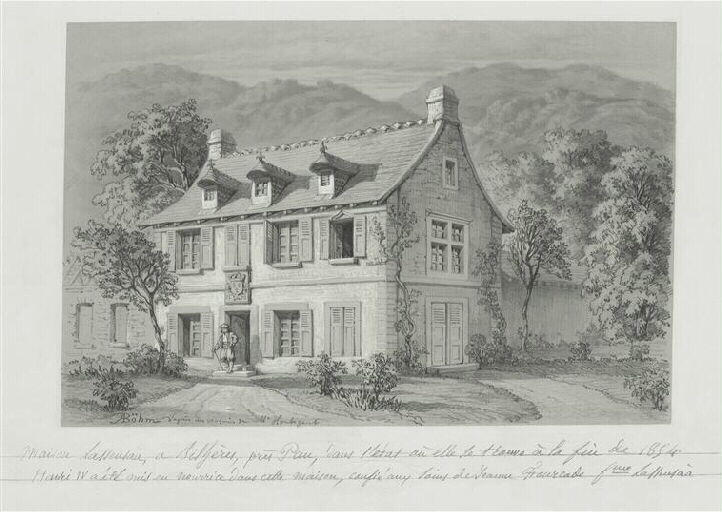
Maison Lassensaa à Bilhères
-
-
-
- Artiste(s) :
- Armand-Gustave Houbigant
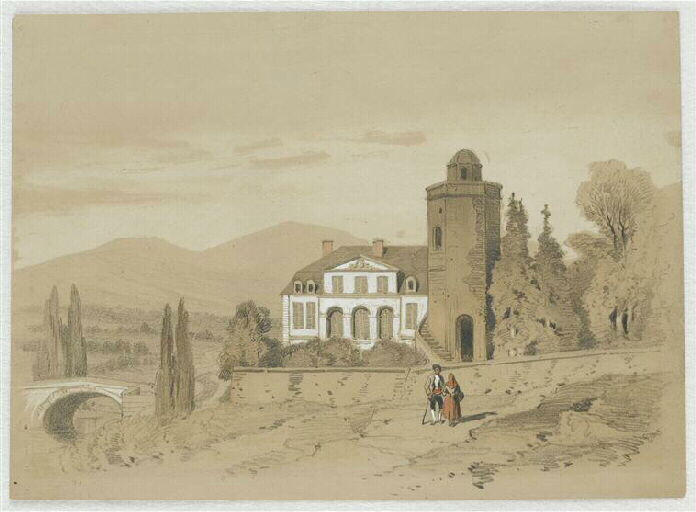
Le Château de Coarraze
-
-
-
- Artiste(s) :
- Armand-Gustave Houbigant
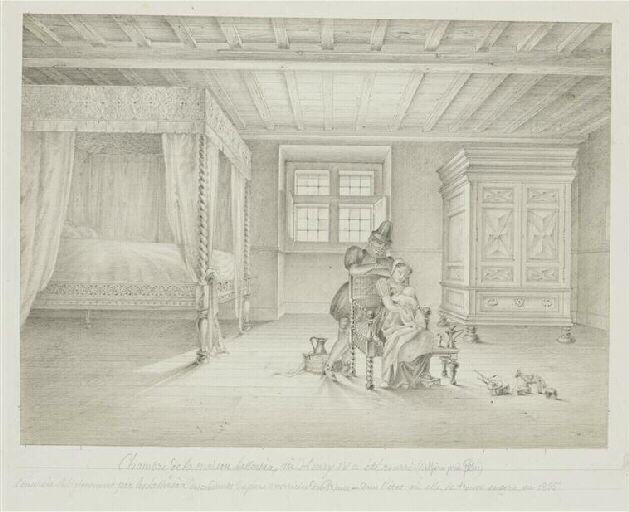
Maison Lassensaa. Chambre d'Henri IV
-
- Domaine(s) :
- Dessin
-
- Sujet représenté :
- Armoire
- Bilhères
- Béarn
- Chambre à coucher
- Lit (mobilier)
- Nourrice
-
- Datation :
- XIXe siècle
-
-
-
- Artiste(s) :
- Armand-Gustave Houbigant
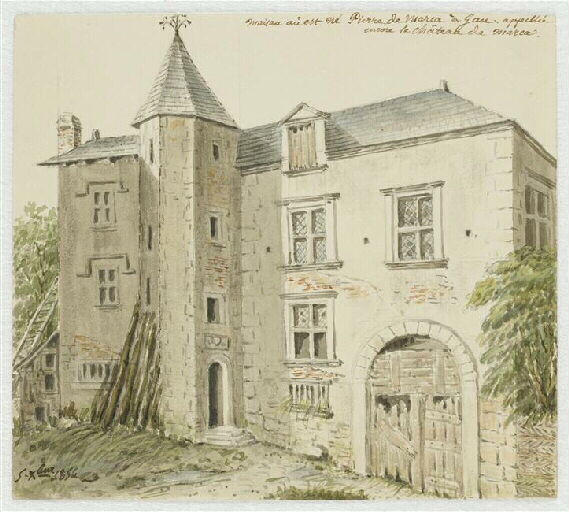
Gan. Maison de Pierre de Marca
-
- Domaine(s) :
- Dessin
-
- Sujet représenté :
- Béarn
- Gan (Pyrénées-Atlantiques)
- Maison
- Paysage
- Tour (édifice)
-
- Datation :
- XIXe siècle
-
-
-
- Artiste(s) :
- Armand-Gustave Houbigant
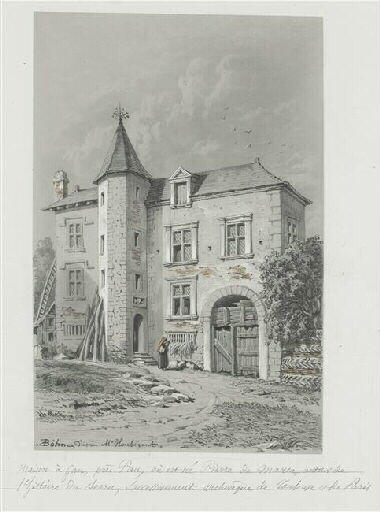
Gan. Maison de Pierre de Marca
-
- Domaine(s) :
- Dessin
-
- Sujet représenté :
- Béarn
- Gan (Pyrénées-Atlantiques)
- Maison
- Paysage
- Tour (édifice)
-
- Datation :
- XIXe siècle
-
-
-
- Artiste(s) :
- Armand-Gustave Houbigant
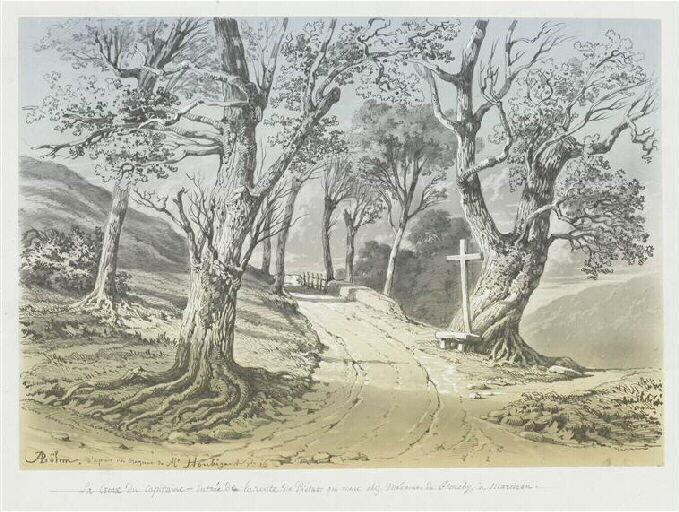
Entrée de la route de Pietat. La croix du capitaine
-
- Domaine(s) :
- Dessin
-
- Sujet représenté :
- Arbre
- Béarn
- Croix (christianisme)
- Paysage
- Route
-
- Datation :
- XIXe siècle
-
-
-
- Artiste(s) :
- Armand-Gustave Houbigant
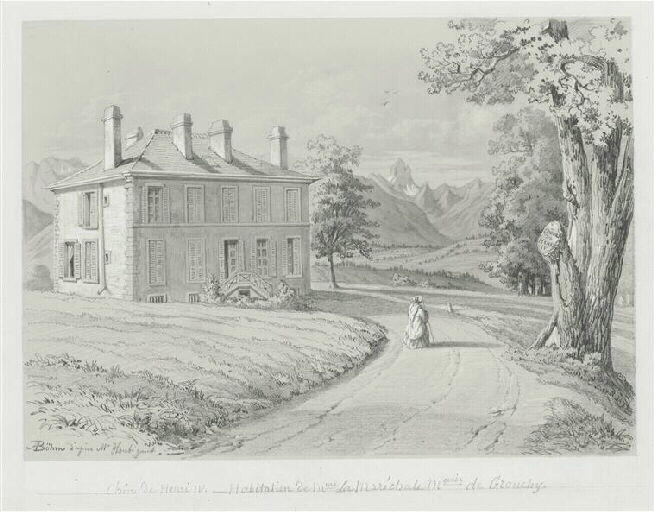
Chêne de Henri IV. Habitation de Mme la Maréchale (Marquise…
-
- Domaine(s) :
- Dessin
-
- Datation :
- XIXe siècle
-
-
-
- Artiste(s) :
- Armand-Gustave Houbigant
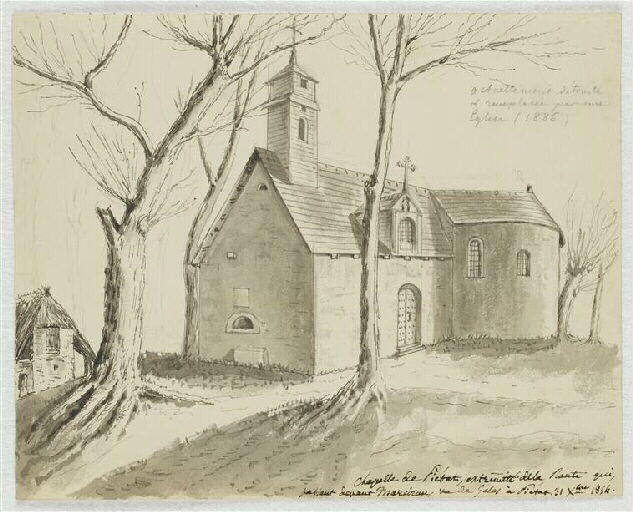
Chapelle de Pietat
-
-
-
- Artiste(s) :
- Armand-Gustave Houbigant
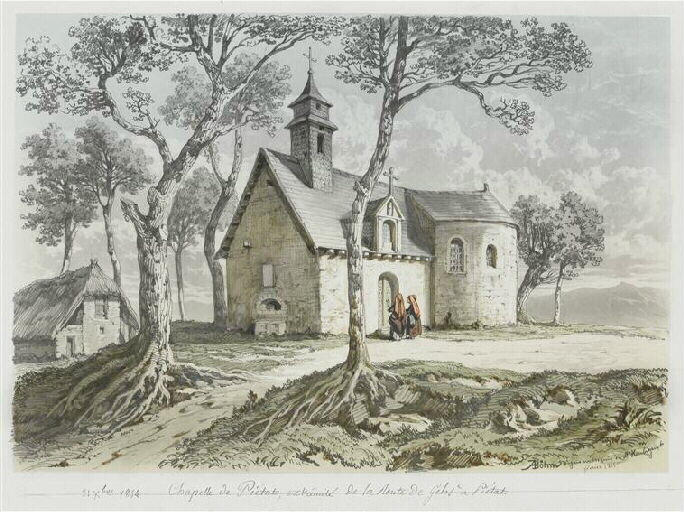
Chapelle de Pietat
-
-
-
- Artiste(s) :
- Armand-Gustave Houbigant
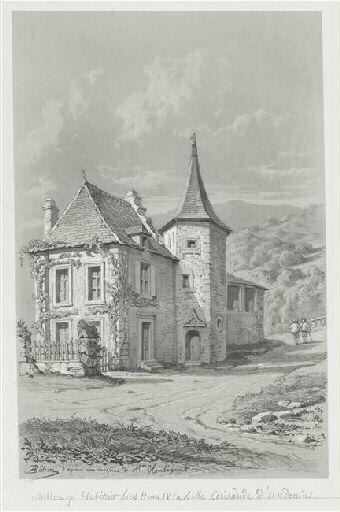
Gan. Maison qu'habitait la Belle Corisande d'Andouins (d'An…
-
- Domaine(s) :
- Dessin
-
- Sujet représenté :
- Béarn
- Diane d'Andoins
- Gan (Pyrénées-Atlantiques)
- Maison
- Paysage
-
- Datation :
- XIXe siècle
-
-
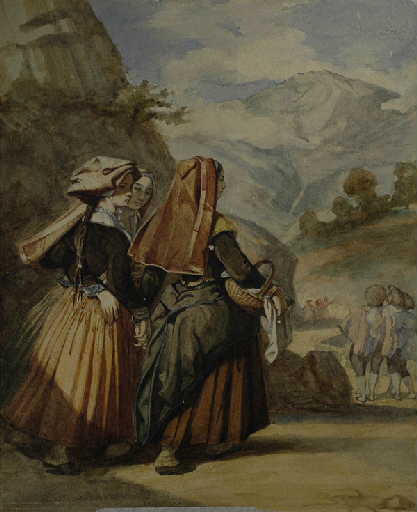
-
- Artiste(s) :
- Eugène Devéria
Paysannes de la vallée d'Ossau
-
- Domaine(s) :
- Dessin
-
- Datation :
- XIXe siècle
-
-
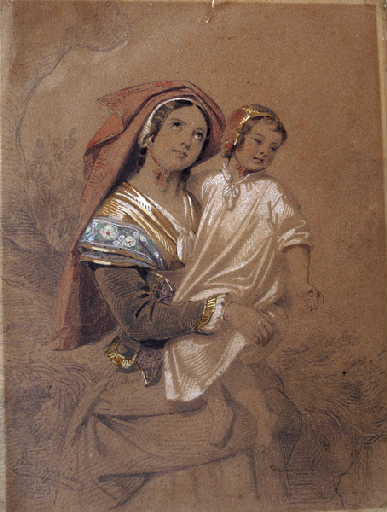
-
- Artiste(s) :
- Eugène Devéria
Ossaloise tenant son enfant dans les bras (titre factice)
-
- Domaine(s) :
- Dessin
-
- Sujet représenté :
- Béarn
- Costume traditionnel
- Enfant
- Femme
-
- Datation :
- XIXe siècle
-
-
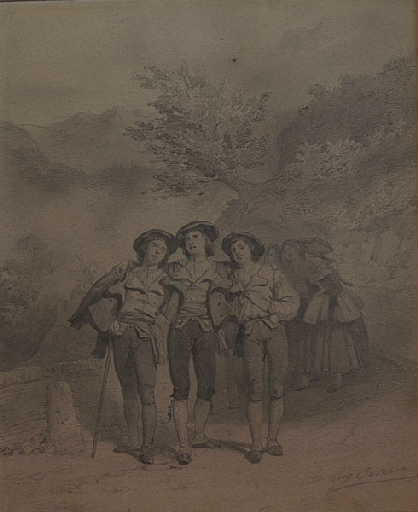
-
- Artiste(s) :
- Eugène Devéria
Chants ossalois (titre factice)
-
- Domaine(s) :
- Dessin
-
- Datation :
- XIXe siècle
-
-
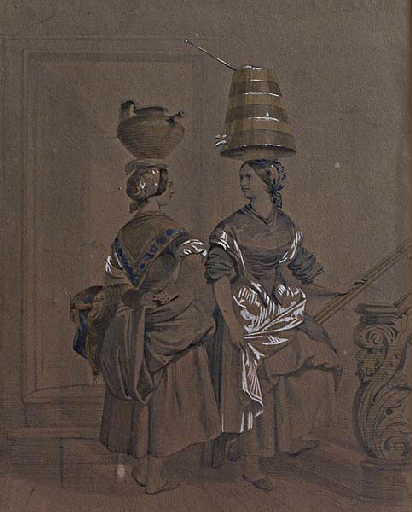
-
- Artiste(s) :
- Eugène Devéria
Porteuses d'eau béarnaises
-
- Domaine(s) :
- Dessin
-
- Sujet représenté :
- Béarn
- Costume traditionnel
- Escalier
- Femme
- Pot (récipient)
-
- Datation :
- XIXe siècle
-
-
-
- Artiste(s) :
- Eugène Devéria
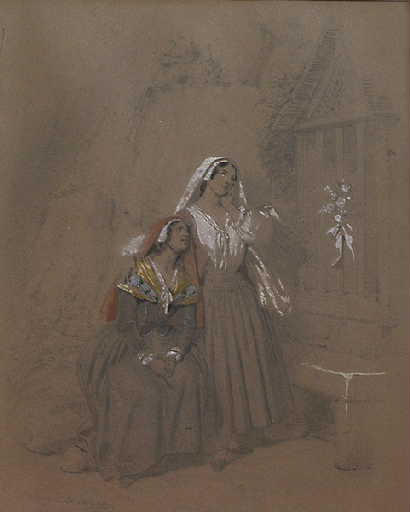
Prière du jour pour une jeune malade
-
- Domaine(s) :
- Dessin
-
- Sujet représenté :
- Autel (religion)
- Béarn
- Costume traditionnel
- Femme
- Fleur
- Prière
-
- Datation :
- XIXe siècle
-
-
-
- Artiste(s) :
- Eugène Devéria
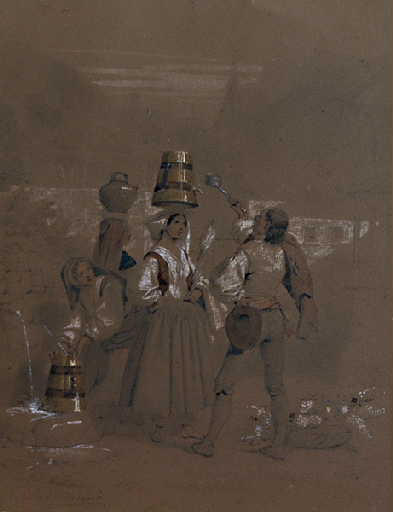
Béarnais à la fontaine
-
- Domaine(s) :
- Dessin
-
- Sujet représenté :
- Béarn
- Costume traditionnel
- Femme
- Homme
- Individu
- Pot (récipient)
-
- Datation :
- XIXe siècle
-
-
-
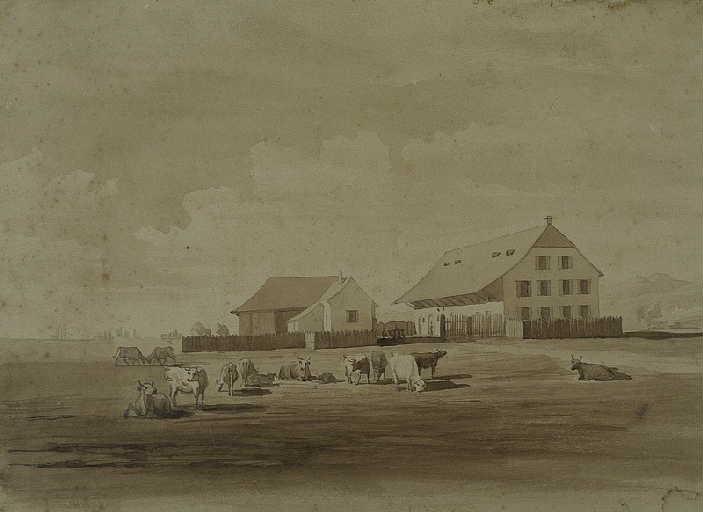
Ferme béarnaise (titre factice)
-
- Domaine(s) :
- Dessin
-
- Sujet représenté :
- Béarn
- Ferme (agriculture)
- Paysage
- Plaine
- Vache
-
- Datation :
- XIXe siècle
-
-
-
- Artiste(s) :
- Anonyme
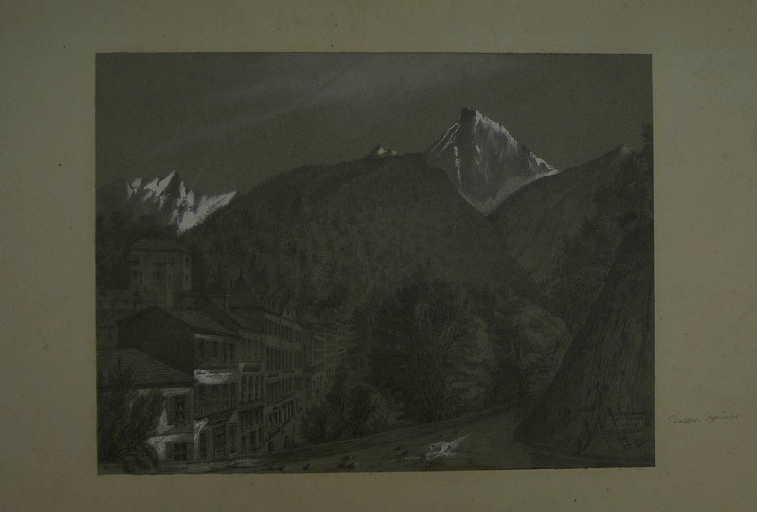
Les Eaux-Bonnes
-
-
-
- Artiste(s) :
- Anonyme
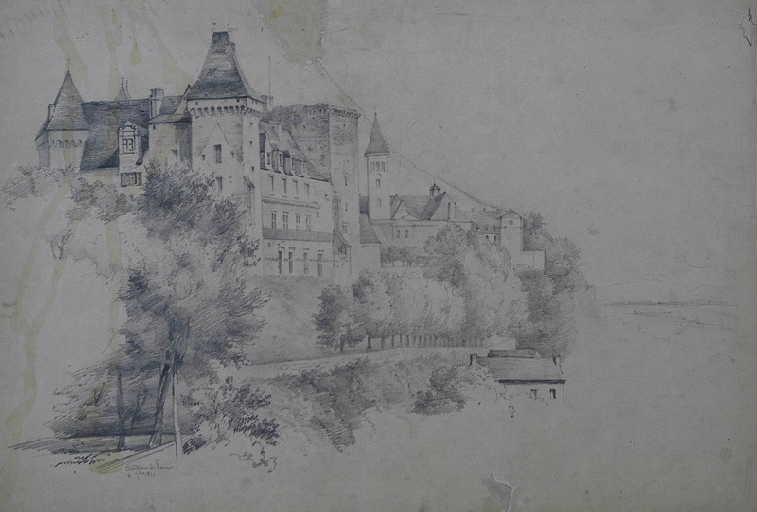
Le Château de Pau
-