Environ 210 résultats pour « Pilastre »
-
Pilastre
Un pilastre est un support carré terminé par une base et par un chapiteau. Un pilastre est incrusté dans un mur tandis que le pilier est un élément isolé. La fonction du pilastre est uniquement décorative, il n'est qu'adossé à un mur porteur. Dans l'antiquité grecque, le pilastre est aussi appelé Ante.
-
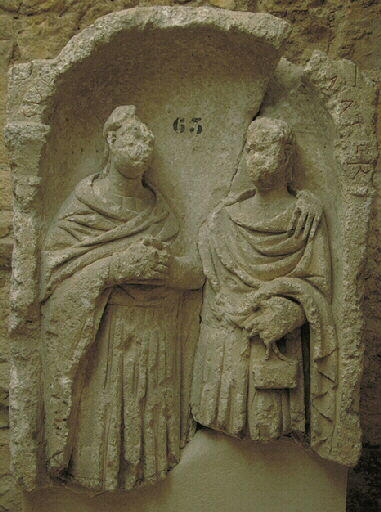
Stèle funéraire de deux époux
-
- Domaine(s) :
- Archéologie
- Croyance
- Gallo-romains
- Sculpture
- Épigraphie
-
- Sujet représenté :
- Bracelet
- Chapiteau (architecture)
- Femme
- Homme
- Manteau (vêtement)
- Militaire
- …
-
- Datation :
- IIIe siècle
-
-
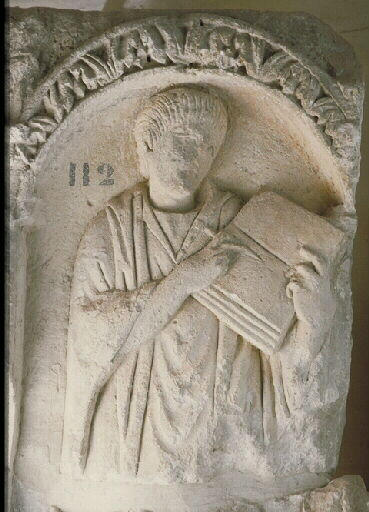
Stèle funéraire à personnages
-
- Domaine(s) :
- Archéologie
- Gallo-romains
- Sculpture
-
- Sujet représenté :
- Arcature
- Chapiteau (architecture)
- Colonne (architecture)
- Homme
- Manteau (vêtement)
- Pilastre
-
- Datation :
- IIIe siècle
- IIe siècle
-
-
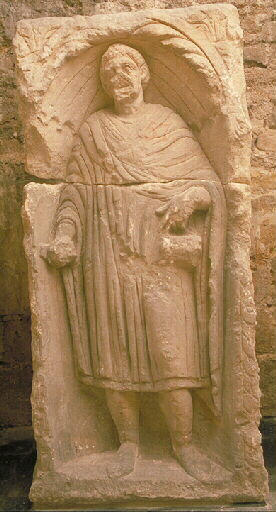
Stèle funéraire à personnages
-
- Domaine(s) :
- Archéologie
- Gallo-romains
- Sculpture
-
- Sujet représenté :
- Arcature
- Barbe
- Chapiteau (architecture)
- Fruit (botanique)
- Homme
- Manteau (vêtement)
-
- Datation :
- IIIe siècle
- IIe siècle
-
-
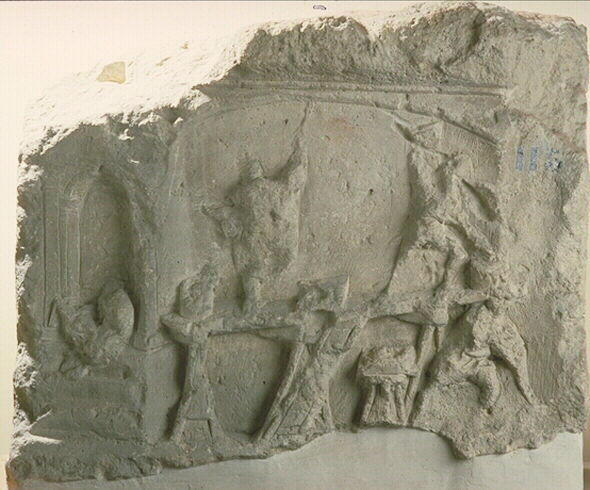
-
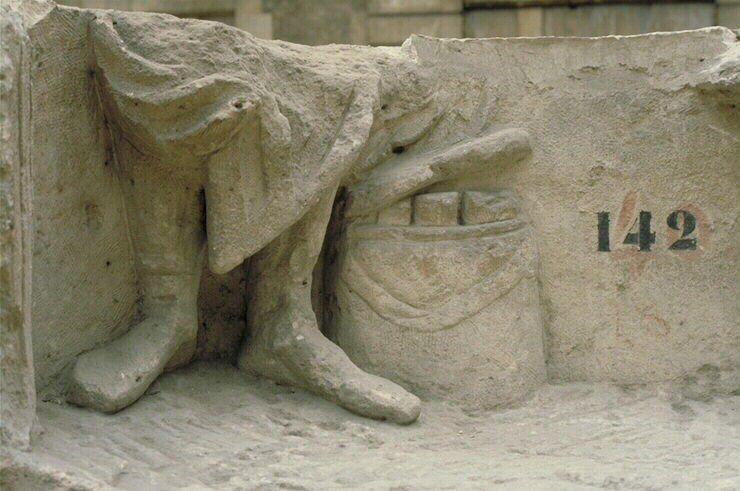
Fragment de deux personnages et d'une capsa
-
- Domaine(s) :
- Archéologie
- Croyance
- Gallo-romains
- Sculpture
-
- Datation :
- IIIe siècle
- IIe siècle
-
-
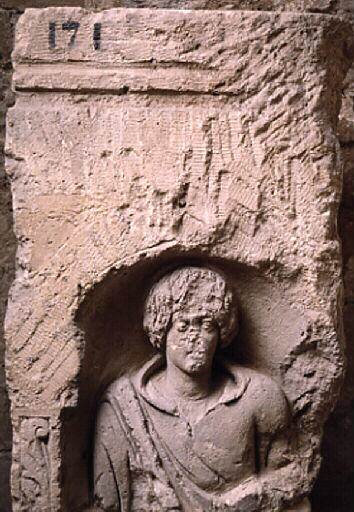
Stèle funéraire à personnages
-
- Domaine(s) :
- Archéologie
- Croyance
- Gallo-romains
- Sculpture
-
- Sujet représenté :
- Chapiteau (architecture)
- Entablement
- Femme
- Homme
- Manteau (vêtement)
- Pilastre
-
- Datation :
- IIIe siècle
-
-
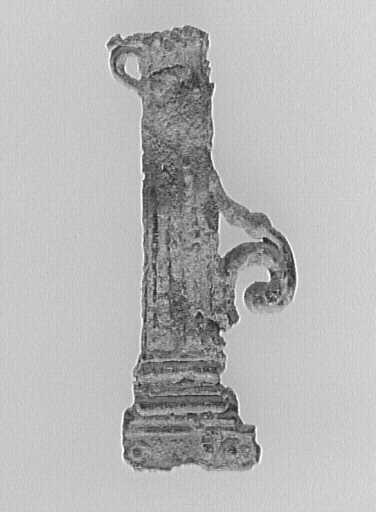
fragment de bordure ajourée
-
- Domaine(s) :
- Croyance
- Ethnologie
- Moyen Âge
-
- Sujet représenté :
- Chapiteau (architecture)
- Colonne (architecture)
- Pilastre
-
- Datation :
- XIVe siècle
- XVe siècle
-
-
-
- Artiste(s) :
- Anonyme
-
- Domaine(s) :
- Croyance
- Ethnologie
- Ivoire
- Sculpture
-
- Désignation :
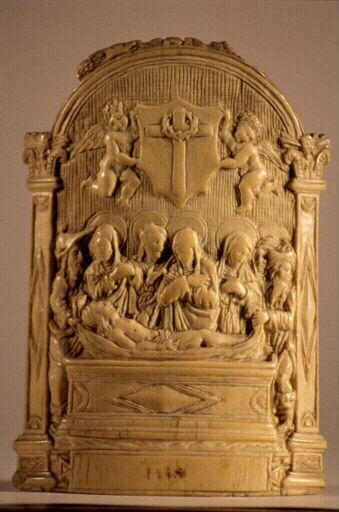
- osculatoire | baiser de paix
-
- Datation :
- XVIe siècle
-
-
-
- Artiste(s) :
- Auguste Rodin
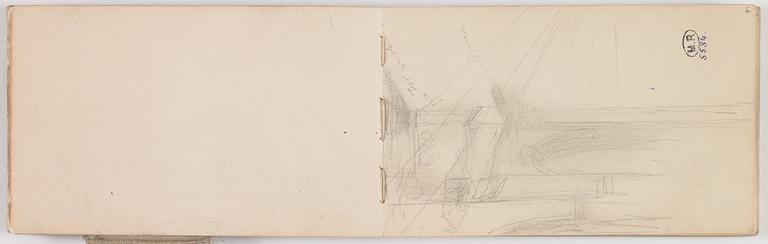
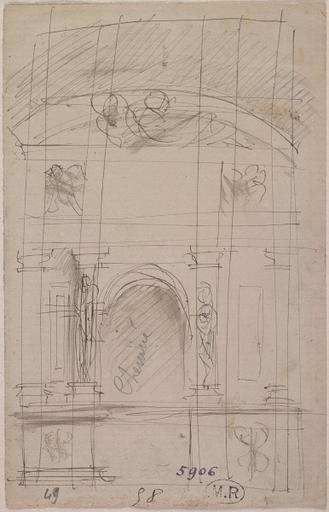
ARC ENTRE PILASTRES
-
- Domaine(s) :
- Dessin
-
- Sujet représenté :
- Arc (architecture)
- Pilastre
-
- Datation :
- XIXe siècle
- XXe siècle
-
-
-
- Artiste(s) :
- Auguste Rodin
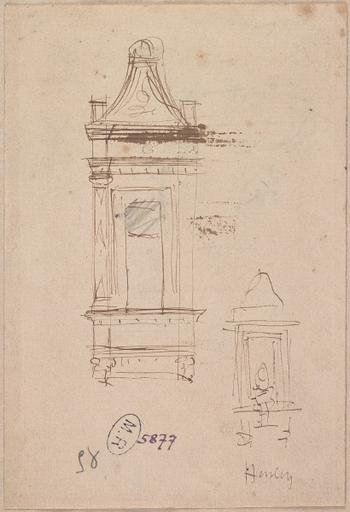
DEUX ETUDES POUR LA NICHE DU BUSTE DE HENLEY, AU VERSO CHAP…
-
- Domaine(s) :
- Dessin
-
- Sujet représenté :
- Blois
- Chapiteau (architecture)
- Pilastre
-
- Datation :
- XIXe siècle
-
-
-
- Artiste(s) :
- Auguste Rodin
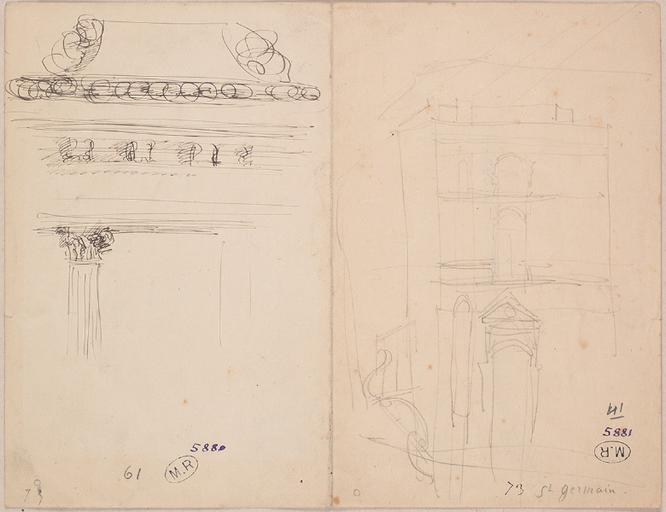
ENTABLEMENT A ANCY-LE FRANC, ?, ET FACADE DU CHATEAU DE SAI…
-
- Domaine(s) :
- Dessin
-
- Sujet représenté :
- Ancy-le-Franc
- Château
- Entablement
- Façade
- Moulure
- Pilastre
-
- Datation :
- XIXe siècle
- XXe siècle
-
-
-
- Artiste(s) :
- Auguste Rodin
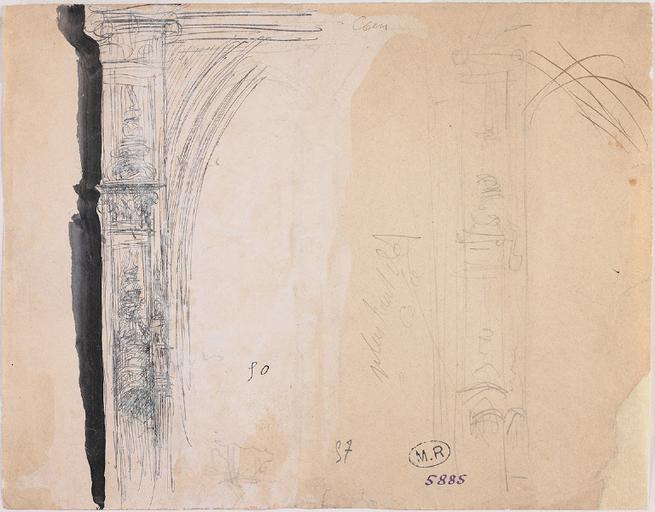
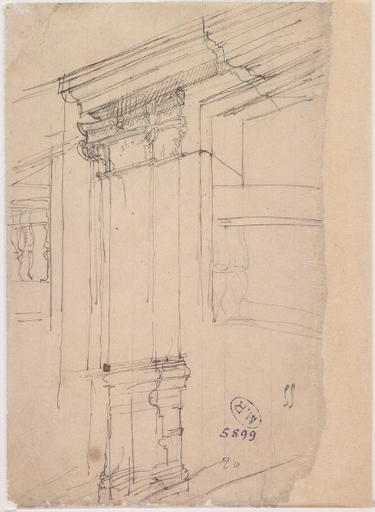
PILASTRE ET ARCATURE DE L'EGLISE ST SAUVEUR A CAEN
-
- Domaine(s) :
- Dessin
-
- Datation :
- XIXe siècle
- XXe siècle
-
-
-
- Artiste(s) :
- Auguste Rodin
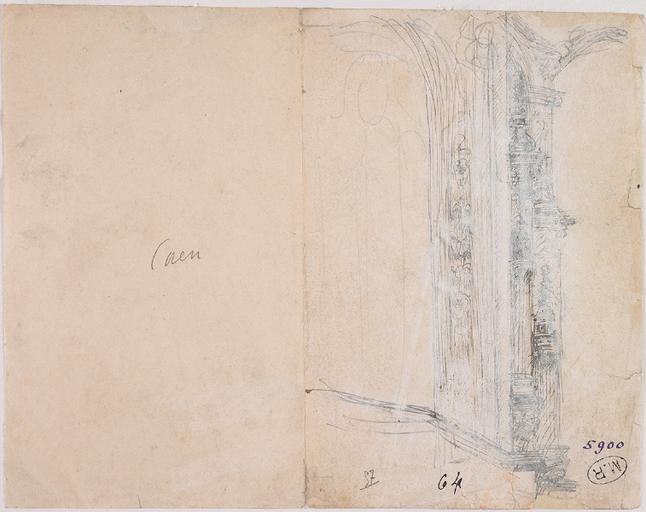
PILASTRE DE L'ESCALIER FRANCOIS IER AU CHATEAU DE CHAMBORD
-
- Domaine(s) :
- Dessin
-
- Sujet représenté :
- Chambord (Loir-et-Cher)
- Escalier
- Pilastre
-
- Datation :
- XIXe siècle
-
-
-
- Artiste(s) :
- Auguste Rodin
PILASTRE DE L'EGLISE ST SAUVEUR A CAEN ?, AU VERSO ASSOMPTI…
-
- Domaine(s) :
- Dessin
-
- Sujet représenté :
- Assomption de Marie
- Caen
- Pilastre
-
- Datation :
- XIXe siècle
-
-
-
- Artiste(s) :
- Auguste Rodin
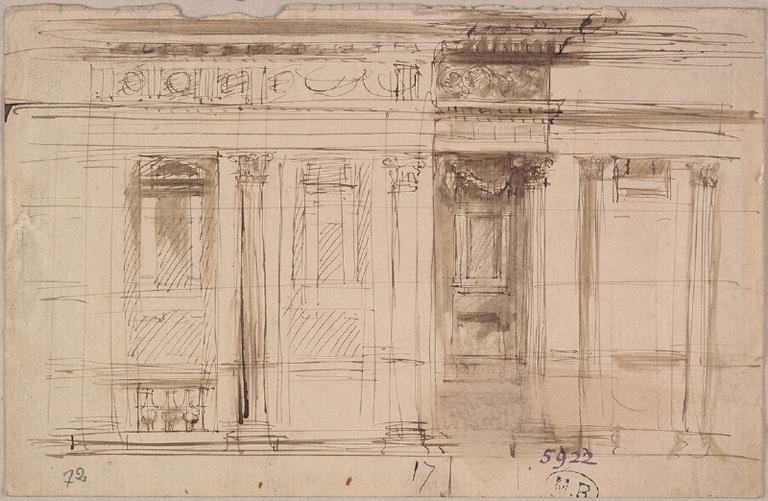
FACADE A PILASTRES, AVEC PERSONNAGES
-
- Domaine(s) :
- Dessin
-
- Datation :
- XIXe siècle
- XXe siècle
-
-
-
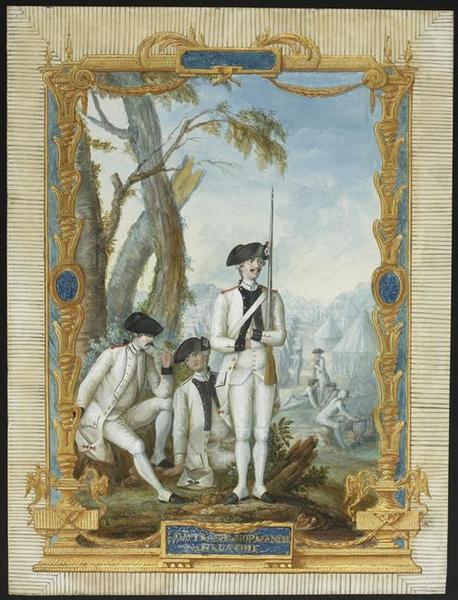
Austrasie-Normandie-Neustrie
-
- Domaine(s) :
- Dessin
-
- Sujet représenté :
- Arbre
- Camp militaire
- Chêne
- Ciel
- Colline
- Dragon (mythologie)
- …
-
- Datation :
- XVIIIe siècle
-
-
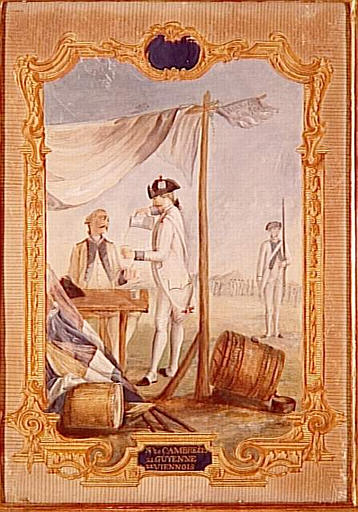
Cambréris, Guyenne, Viennois
-
- Domaine(s) :
- Dessin
-
- Sujet représenté :
- Banc (siège)
- Camp militaire
- Chapeau
- Ciel
- Colline
- Drapeau
- …
-
- Datation :
- XVIIIe siècle
-
-
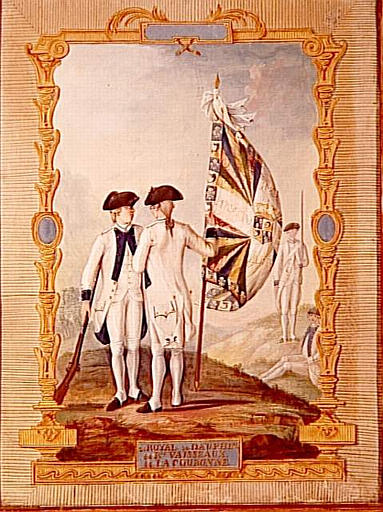
-
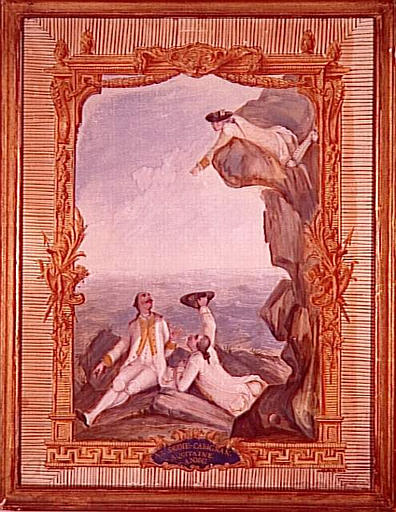
-
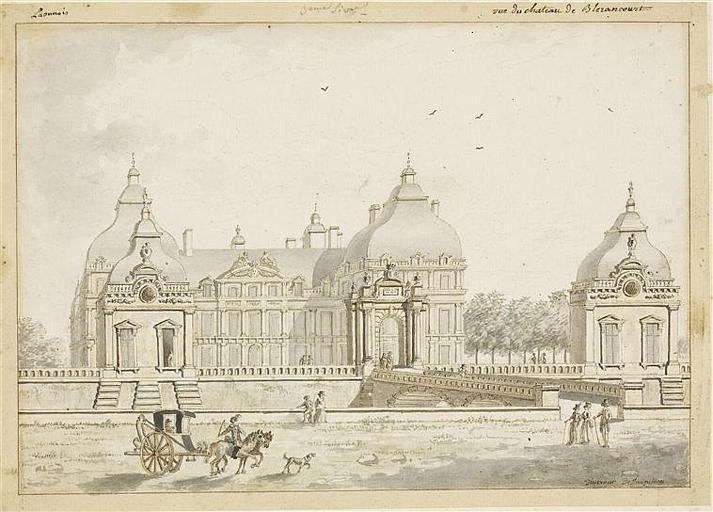
Le Château de Blérancourt en 1790
-
- Domaine(s) :
- Dessin
-
- Sujet représenté :
- Arbre
- Balustrade
- Base (architecture)
- Blérancourt
- Cheval
- Chien
- …
-
- Datation :
- XVIIIe siècle
-
-

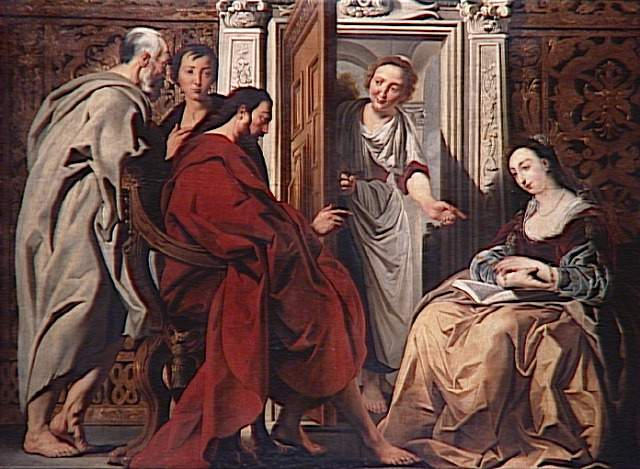
AUTOPORTRAIT AU CHEVALET
-
- Domaine(s) :
- Peinture
-
- Sujet représenté :
- Artiste peintre
- Autoportrait
- Chapeau
- Chevalet (peinture)
- Homme
- Pilastre
-
- Datation :
- XVIIe siècle
-
-
-
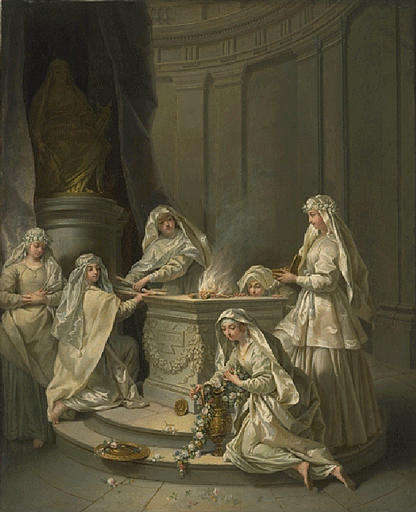
VIERGES ANTIQUES
-
- Domaine(s) :
- Peinture
-
- Sujet représenté :
- Autel (religion)
- Balustrade
- Femme
- Feu
- Frise (architecture)
- Orfèvrerie
- …
-
- Datation :
- XVIIIe siècle
-
-
-
- Artiste(s) :
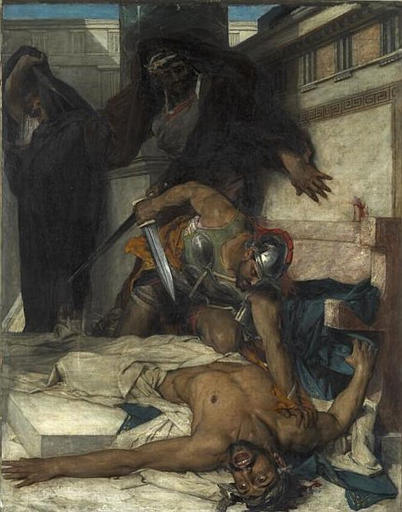
- Léon Comerre
MORT DE TIMOPHANE
-
- Domaine(s) :
- Peinture
-
- Sujet représenté :
- Arme
- Armure (équipement)
- Frise (architecture)
- Homme
- Militaire
- Mur
- …
-
- Datation :
- XIXe siècle
-
-
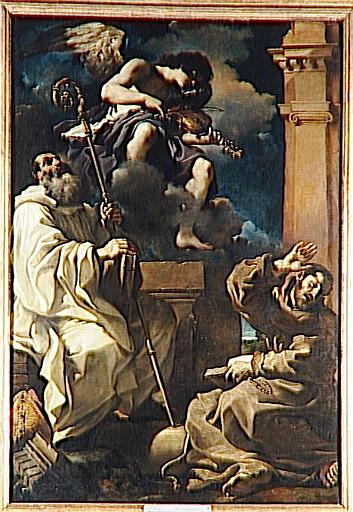
-
- Artiste(s) :
- Le Guerchin
SAINT FRANCOIS EN EXTASE ET SAINT BENOIT AVEC UN ANGE MUSIC…
-
- Domaine(s) :
- Peinture
-
- Sujet représenté :
- Ange
- Benoît de Nursie
- Extase
- François d'Assise
- Pilastre
- Violon
-
- Datation :
- XVIIe siècle
-
-
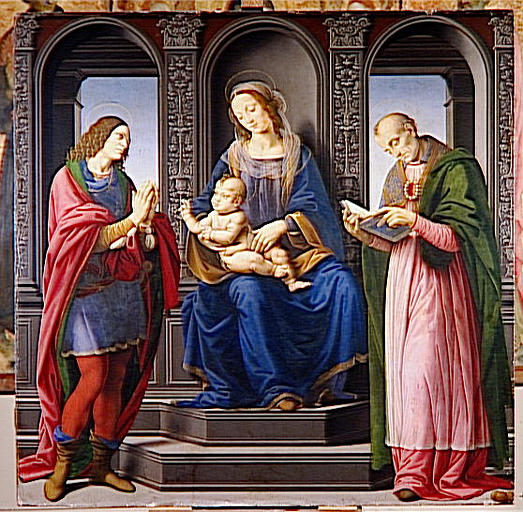
LA VIERGE ET L'ENFANT ENTOURES DE SAINT JULIEN ET DE SAINT …
-
- Sujet représenté :
- Baie (architecture)
- Bénédiction
- Lecture
- Livre (document)
- Nicolas de Myre
- Pilastre
- …
-
- Datation :
- XVe siècle
-
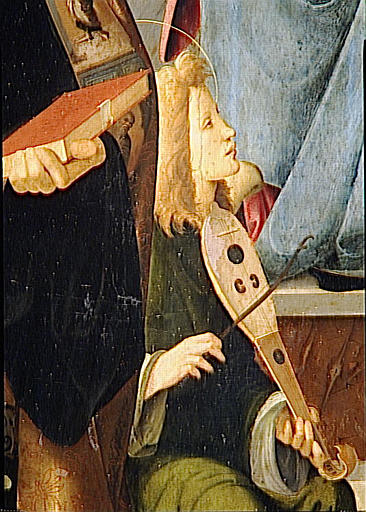
LA VIERGE ET L'ENFANT ENTOURES DE SAINT BENOIT ET SAINT QUE…
-
- Domaine(s) :
- Peinture
-
- Sujet représenté :
- Ange
- Armure (équipement)
- Benoît de Nursie
- Chape (catholicisme)
- Colonne (architecture)
- Crosse épiscopale
- …
-
- Datation :
- XVIe siècle
-
-
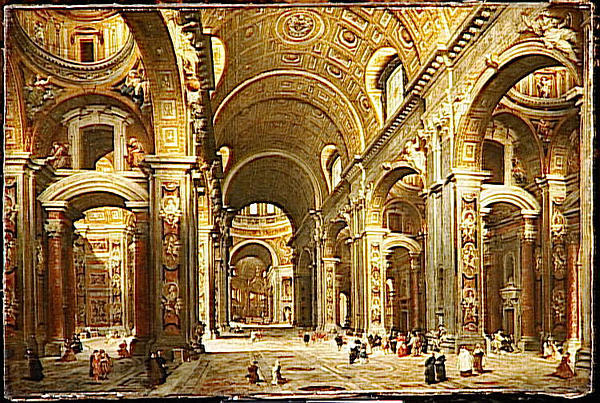
LE CARDINAL MELCHIOR DE POLIGNAC VISITE SAINT-PIERRE DE ROME
-
- Domaine(s) :
- Peinture
-
- Sujet représenté :
- Cardinal (religion)
- Colonne (architecture)
- Coupole
- Mosaïque
- Pilastre
- Rome
-
- Datation :
- XVIIIe siècle
-
-
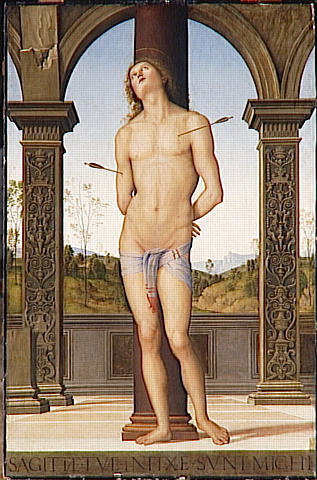
SAINT SEBASTIEN
-
- Domaine(s) :
- Peinture
-
- Sujet représenté :
- Balustrade
- Colonne (architecture)
- Flèche (arme)
- Pilastre
- Terrasse (architecture)
-
- Datation :
- XVe siècle
-
