Environ 10 résultats pour « Melpomène »
-

Melpomène
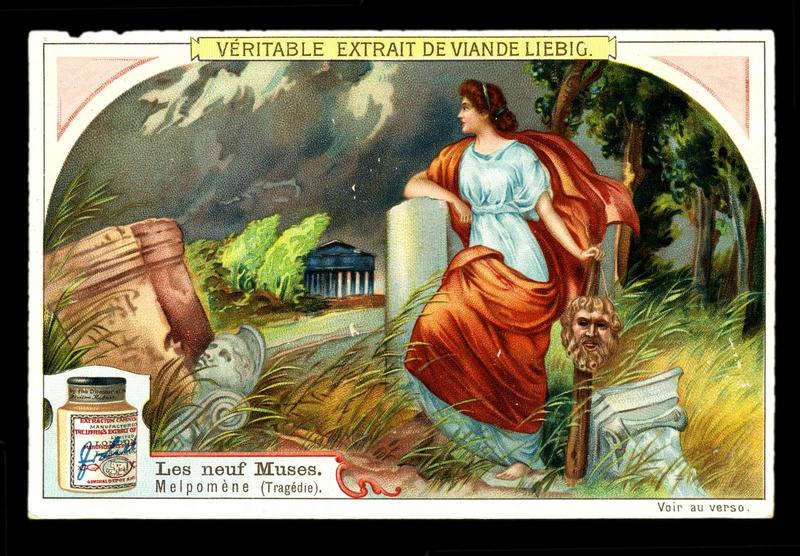
Dans la mythologie grecque, Melpomène (en grec ancien Μελπομένη / Melpoménê, de μέλπειν / mélpein, « chanter ») est la Muse du Chant, de l'Harmonie musicale et de la Tragédie quand elle est associée à Dionysos. Son maintien est grave et sérieux : elle est richement vêtue, et chaussée de cothurnes; elle tient d'une main un sceptre et des couronnes, de l'autre un poignard ensanglanté, parfois une massue d'Héraclès dont le théâtre aimait célébrer les exploits. Elle possède comme autres attributs la couronne de pampres et le masque de tragédie. Parfois on lui donne pour suivantes la Terreur et la Pitié.
-
-
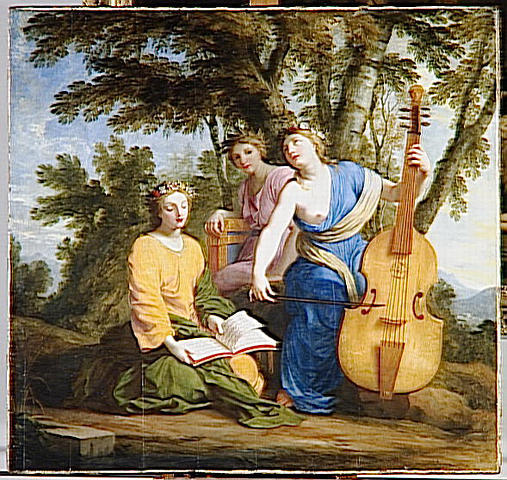
MELPOMENE, ERATO ET POLYMNIE
-
- Domaine(s) :
- Peinture
-
- Sujet représenté :
- Chant
- Contrebasse
- Feuillu
- Melpomène
- Musique
- Partition (musique)
-
- Datation :
- XVIIe siècle
-
-
-
- Artiste(s) :
- Louis de Boullogne
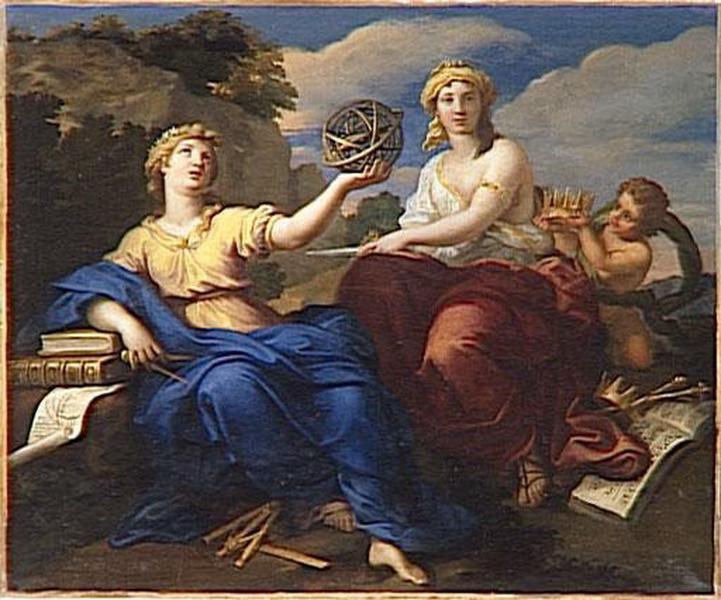
URANIE ET MELPOMENE
-
- Domaine(s) :
- Peinture
-
- Sujet représenté :
- Allégorie
- Astronomie
- Couronne (attribut)
- Livre (document)
- Melpomène
- Musique
-
- Datation :
- XVIIe siècle
-
-
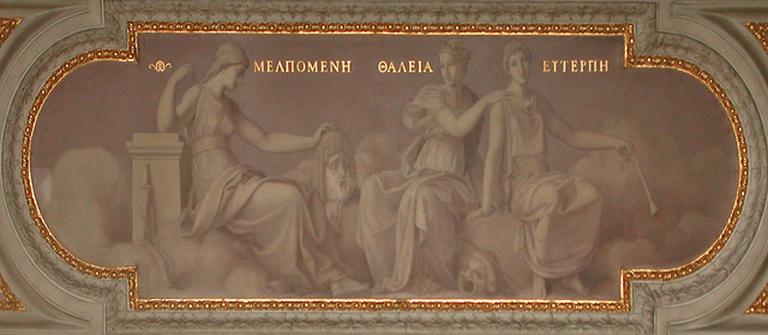
TROIS MUSES
-
- Domaine(s) :
- Peinture
-
- Sujet représenté :
- Couronne (attribut)
- Euterpe
- Femme
- Feuille
- Flûte à bec
- Hedera
- …
-
- Datation :
- XIXe siècle
-
-
-
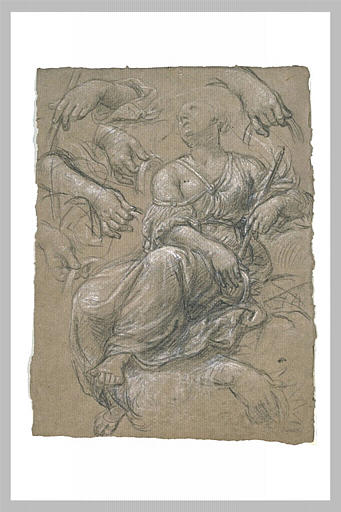
-
- Artiste(s) :
- Pierre Mignard
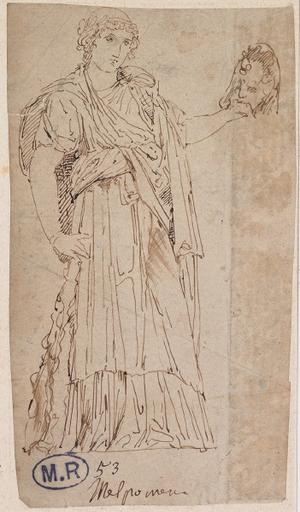
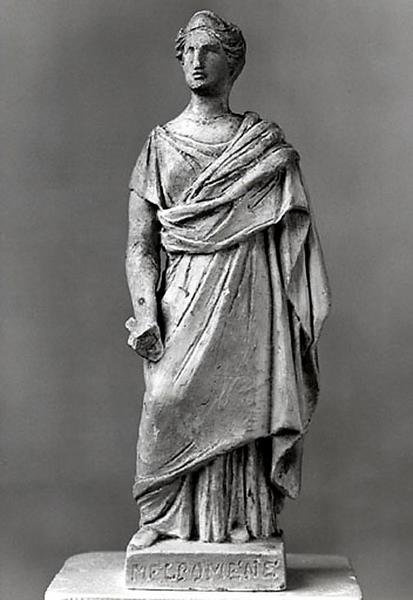
Femme assise, tournée vers la gauche : Melpomène ; reprises…
-
- Domaine(s) :
- Dessin
-
- Datation :
- XVIIe siècle
-
-
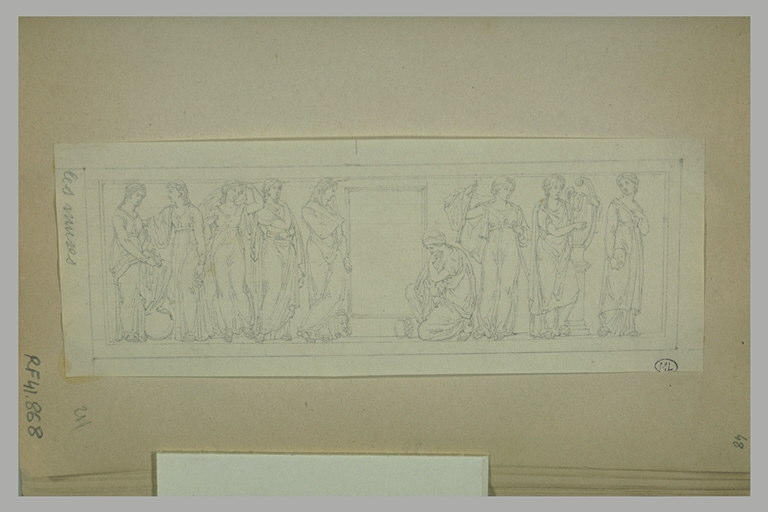
-
- Artiste(s) :
- Charles Normand
Frise antique avec les neuf muses de part et d'autre d'une …
-
- Domaine(s) :
- Dessin
-
- Datation :
- XIXe siècle
- XVIIIe siècle
-
-
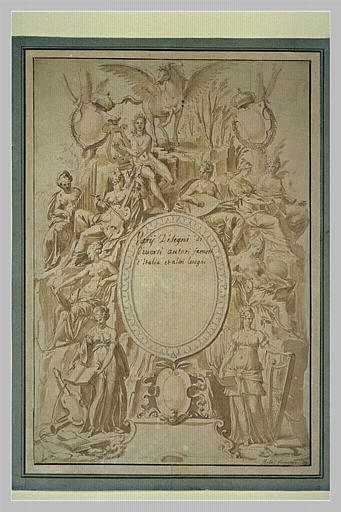
Frontispice avec Apollon, Pégase et les neuf Muses sur l'Hé…
-
- Domaine(s) :
- Dessin
-
- Datation :
- XVIe siècle
-
-
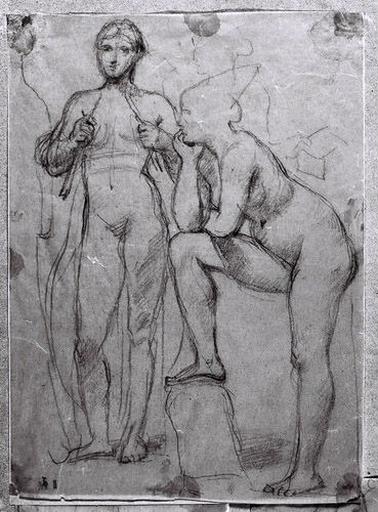
-
- Artiste(s) :
- Jean-Auguste-Dominique Ingres
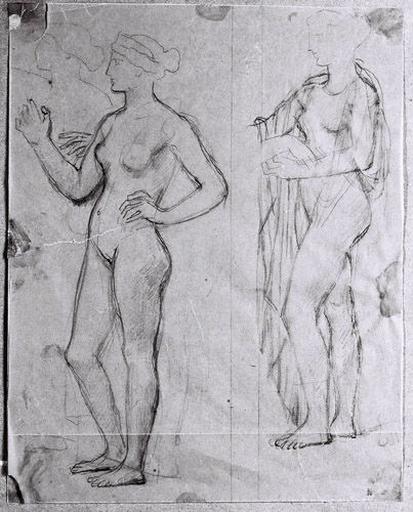
Euterpe (jouant de la double flûte) et Melpomène (penchée, …
-
- Domaine(s) :
- Dessin
-
- Sujet représenté :
- Euterpe
- Femme
- Flûte
- Melpomène
- Nu (genre artistique)
-
- Datation :
- XIXe siècle
-
-
-
- Artiste(s) :
- Jean-Auguste-Dominique Ingres
Melpomène (définitive) et Euterpe (nue)
-
- Domaine(s) :
- Dessin
-
- Sujet représenté :
- Euterpe
- Femme
- Melpomène
- Nu (genre artistique)
-
- Datation :
- XIXe siècle
-
-
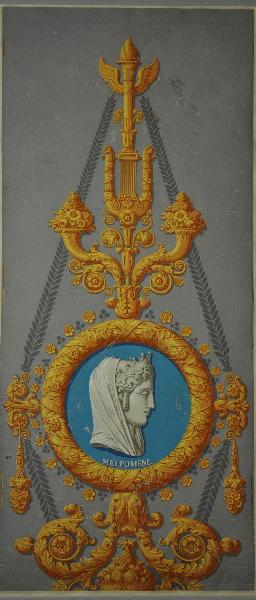
Muses et attributs : Melpomène (Titre inscrit)
-
- Domaine(s) :
- Arts décoratifs
- Estampe
- Meuble
-
- Sujet représenté :
- Ananas
- Arabesque (beaux-arts)
- Corne d'abondance
- Couronne (attribut)
- Femme
- Feuille
- …
-
- Datation :
- XIXe siècle
-